
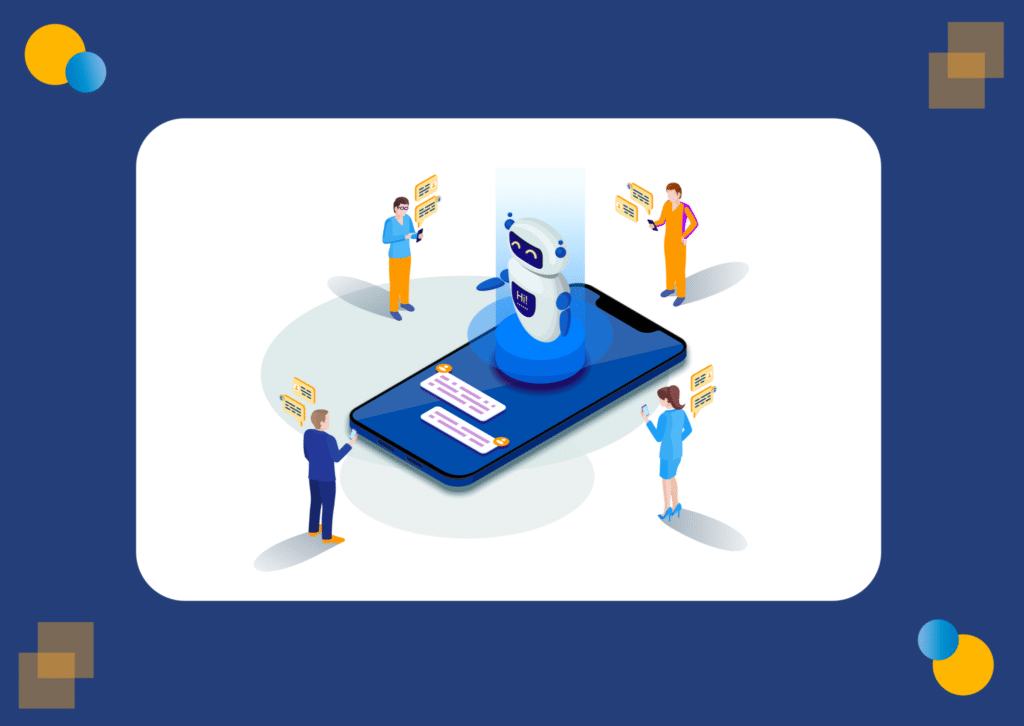
First impressions matter — especially in SaaS products. That’s why onboarding plays such a critical role in user engagement and retention. But instead of traditional walkthroughs or long tutorials, a new method is changing the game: conversational onboarding.
In this guide, we’ll explain what conversational onboarding is, how it works, and why it’s becoming the go-to method for SaaS and B2B companies focused on fast, personalized user activation.
What Is Conversational Onboarding?
Conversational onboarding is the process of guiding new users through a product using two-way, interactive communication — often through chatbots, Conversational AI agents, or messaging interfaces.
Instead of showing users a static tour, conversational onboarding engages them in a dialogue. It asks questions, offers relevant help in real time, and adapts the journey based on individual needs.
Why Traditional Onboarding Falls Short
Static onboarding methods (like tooltips, email sequences, or step-by-step screens) assume every user is the same. But not all users:
- • Have the same goals
- • Start with the same level of experience
- • Want to learn in the same way
As a result, many users either skip onboarding or abandon it midway. That’s where conversational onboarding offers a smarter, user-first alternative.
How Conversational Onboarding Works
Here’s a simplified flow of how it usually looks:
- User signs up or logs in for the first time
- A chatbot or AI agent greets them with a question like:
“What would you like to do today?” - Based on the answer, the system offers personalized tips, feature walk-throughs, or video demos
- Ongoing check-ins and helpful nudges continue based on user behavior
This approach mimics how a human support agent might guide a new user — but at scale and 24/7.
Key Benefits of Conversational Onboarding
- Personalized Experience: Adapts based on user responses, behavior, and goals
- Faster Time to Value (TTV): Helps users reach their “aha” moment quicker
- Higher Engagement: Conversational flows are more interactive and less overwhelming
- Scalable Support: Handles onboarding for thousands of users without adding headcount
- Data-Driven Insights: Every interaction gives you more data on what users want
Real-World Example: DemoKraft AI
Let’s say you’re using DemoKraft AI — a tool that delivers AI-powered video demos. A conversational onboarding flow might look like this:
- AI agent asks: “What kind of product are you selling?”
- User selects: “B2B SaaS”
- Next prompt: “Would you like a sample AI video demo for a SaaS use case?”
- Demo delivered instantly, followed by a few questions about the user’s goals
This builds value from the first interaction — no PDFs, no long videos, no guesswork.
When Should You Use Conversational Onboarding?
It’s ideal for:
- SaaS tools with multiple use cases or user types
- B2B platforms where education is key
- Self-serve products where human onboarding isn’t scalable
- Companies focused on Product-Led Growth (PLG)
Tips for Designing Effective Conversational Onboarding
- Keep it natural – Use a conversational tone, not robotic commands
- Start with goals – Ask what the user wants to achieve, then guide accordingly
- Use micro-interactions – Break the flow into small, helpful nudges
- Integrate product data – Trigger flows based on user behavior in real time
- Test and optimize – Use analytics to tweak flows for better engagement
Final Thoughts
Conversational onboarding isn’t just a trend — it’s a smarter way to help users succeed with your product. It blends guidance with real-time interaction, giving each user a personalized path to value.
Whether you’re building a B2B SaaS platform or a self-serve AI tool like DemoKraft AI, integrating conversational onboarding could be the key to higher engagement, lower churn, and faster growth.
Frequently Asked Questions About Conversational Onboarding
1. What is conversational onboarding in SaaS?
Conversational onboarding is a user onboarding approach that uses chat-based interactions, AI assistants, or chatbots how-to guide new users through a product. Instead of static tutorials, it creates a two-way experience that adapts based on user responses and behavior.
2. How is conversational onboarding different from traditional onboarding?
Traditional onboarding relies on fixed flows like tooltips, walkthroughs, or email sequences . Conversational onboarding is dynamic—it asks questions, responds in real time, and personalizes the experience based on user needs, making it more engaging and effective.
3. What are the benefits of conversational onboarding?
Conversational onboarding helps improve user engagement, reduces time-to-value, and increases retention. It also allows SaaS teams to scale onboarding without adding support resources while collecting valuable insights from user interactions.
4. How can platforms like Demokraft AI support conversational onboarding?
Platforms like Demokraft AI hub enable teams to combine conversational AI journey with AI-assisted videos. This allows user s to interact, explore features, and instantly access relevant product demos—helping them understand the product faster while giving teams insights into user behavior.