
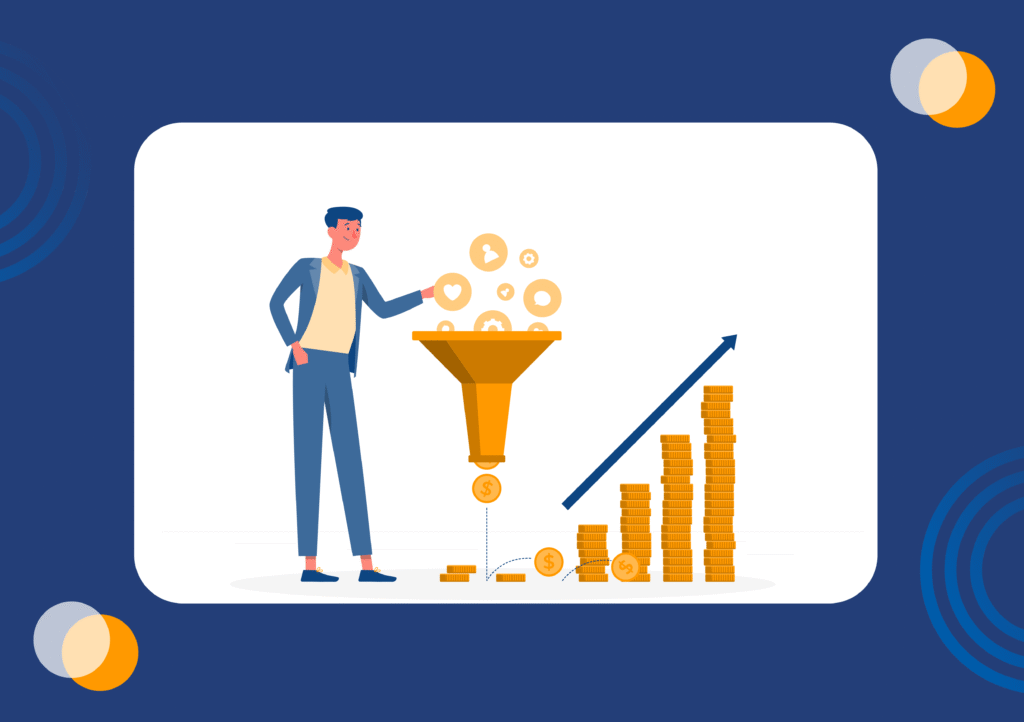
In the competitive SaaS landscape, manual lead nurturing and sales processes are no longer scalable. Sales funnel automation has emerged as a critical strategy to streamline workflows, improve conversion rates, and drive predictable growth. By automating repetitive tasks, SaaS businesses can focus on building meaningful relationships and closing high-value deals.
Why Sales Funnel Automation Matters in SaaS
For SaaS startups, the sales funnel is not a straight path. Prospects engage through multiple touchpoints—free trials, demos, webinars, and email campaigns. Managing this manually is time-consuming and prone to errors.
Sales funnel automation ensures that leads are nurtured efficiently, personalized communication is delivered at scale, and no opportunity slips through the cracks.
Key benefits of automation in the SaaS sales funnel include:
- Faster lead response time
- Consistent follow-ups
- Improved lead qualification
- Better pipeline visibility
- Higher conversion rates
Essential Tools to Automate Your SaaS Sales Funnel
1. Email Automation Platforms
Email remains a powerful channel for nurturing leads. Platforms like HubSpot, Brevo, or Apollo allow SaaS businesses to create targeted drip campaigns based on user behavior, engagement, and funnel stage.
Automated emails ensure timely follow-ups, onboarding sequences, and re-engagement efforts without manual intervention.
2. AI Chatbots & Conversational AI
Conversational AI tools, like Intercom or Drift, automate initial interactions with website visitors. These AI-powered chatbots qualify leads by asking relevant questions, providing instant responses, and guiding users toward demos or resources. This ensures 24/7 lead engagement and improves funnel efficiency.
3. Demo Automation Platforms
Solutions like DemoKraft AI automate the product demo process. Instead of scheduling one-on-one demos, prospects receive personalized, self-guided video demos instantly. This accelerates lead qualification and scales demo delivery, freeing up sales teams to focus on closing deals.
4. CRM and Sales Automation Tools
Integrating your CRM (like Salesforce or Pipedrive) with automation workflows ensures seamless tracking of lead interactions, automated task assignments, and pipeline management. Sales automation tools can trigger follow-ups, reminders, and notifications based on lead activity.
Scale Funnel Efficiency with Automation
- Lead Scoring Automation
Assign scores to leads based on behavior (e.g., email opens, demo views) to prioritize high-intent prospects. - Behavior-Based Workflows
Trigger personalized emails, chatbot interactions, or demo invitations based on user actions. - Automated Lead Qualification
Use AI chatbots to ask qualification questions upfront, ensuring sales reps only engage with relevant leads. - Multi-Channel Automation
Combine email, chat, and retargeting ads to engage leads across platforms automatically. - Automated Reporting & Analytics
Track funnel performance in real-time with automated dashboards and reports.
Challenges of Sales Funnel Automation (And How to Overcome Them)
While automation brings efficiency, it requires careful implementation:
- Over-Automation Risk: Avoid sounding robotic. Use personalization tokens and dynamic content.
- Data Silos: Ensure seamless integration between tools to maintain data consistency.
- Complex Setup: Start simple. Automate one funnel stage at a time to avoid overwhelm.
By balancing automation with human touchpoints, SaaS companies can create a scalable yet personalized sales process.
Conclusion: Scale Smart with Funnel Automation
Sales funnel automation is no longer optional for SaaS growth. From email automation to demo automation and conversational AI, the right tools and tactics can transform your sales efficiency. By automating repetitive tasks and focusing on high-impact activities, SaaS businesses can scale their outreach, improve conversion rates, and drive sustainable growth.
Frequently Asked Questions About Sales Funnel Automation
1. What is sales funnel automation in SaaS?
Sales funnel automation refers to using software tools to automate key stages of the sales process, such as lead capture, nurturing, follow-ups, and lead qualification . This helps SaaS companies manage large volumes of prospects while ensuring consistent communication and faster responses.
2. Which tools are commonly used for sales funnel automation?
SaaS companies often use a combination of tools such as CRM platforms, email automation software, conve rsational AI chatbots, and analytics dashboards. These tools work together to manage leads, trigger follow-ups, and track how prospects move through the funnel.
3. How does email automation improve the sales funnel?
Email automation helps businesses send targeted messages based on user behavior or funnel stage. For example, prospects who download a guide or watch a demo can automatically receive follow-up emails, educational content, or invitations to explore product features.
4. How can demo automation platforms improve funnel efficiency?
Demo automation platforms like Demokraft AI allow SaaS teams to create AI-assisted product videos and self-guided demo experiences. This enables prospects to explore the product instantly while giving sales teams insights into engagement and interest levels.