
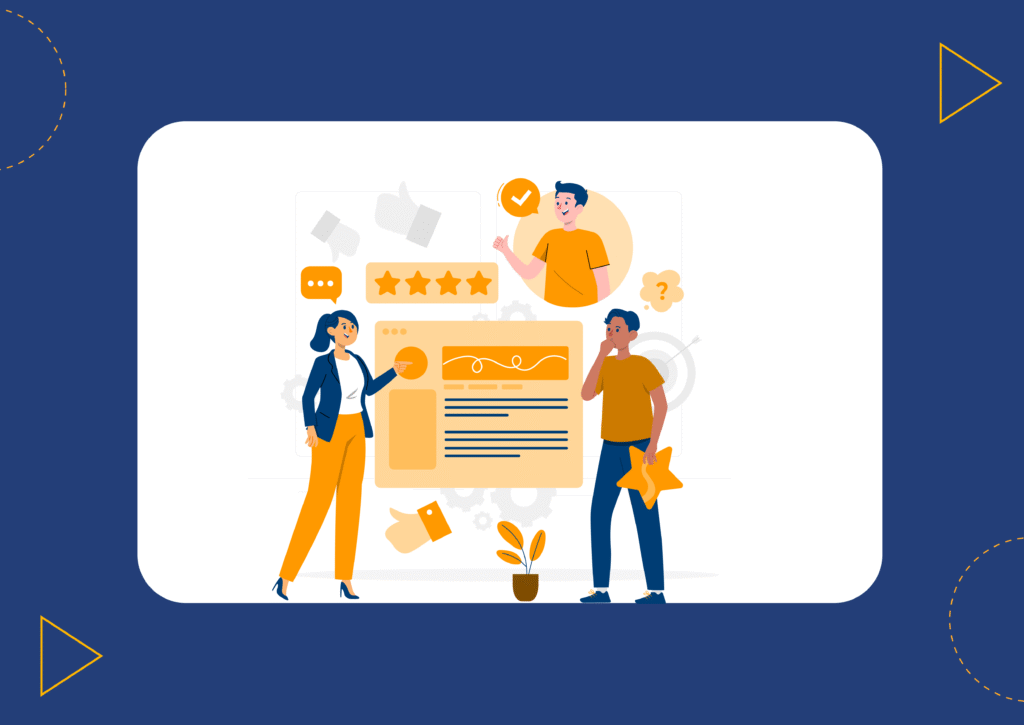
In the crowded SaaS market, where new competitors emerge every day, features and pricing are no longer enough to stand out. What truly differentiates successful SaaS businesses is customer experience (CX)—the way users interact with and perceive your product, service, and support. Companies that prioritize CX not only retain more customers but also drive higher lifetime value and brand advocacy.
The Shift from Features to Experience
SaaS buyers today expect seamless onboarding, intuitive interfaces, and proactive support. A feature-rich product with a poor user experience can frustrate customers, leading to churn. On the other hand, a well-optimized customer journey—from first interaction to product adoption—can turn even a basic SaaS tool into an indispensable solution.
Why Customer Experience Matters More Than Ever
1️⃣ Higher Customer Retention – Great experiences lead to higher renewal rates and lower churn.
2️⃣ Increased Revenue Growth – Satisfied customers are more likely to upgrade, refer, and spend more.
3️⃣ Competitive Differentiation – When products offer similar features, CX becomes the key differentiator.
How to Elevate Customer Experience in SaaS
1. Streamline Onboarding for Faster Adoption
First impressions matter. A complex onboarding process can lead to drop-offs before users even experience value. Offering guided walkthroughs, video demos, and AI-driven assistants can help customers get started quickly without frustration.
2. Use AI to Personalize Customer Interactions
Generic support and one-size-fits-all communication are outdated. AI-powered insights can tailor messaging, product recommendations, and support responses based on user behavior. Personalized experiences make customers feel valued and increase engagement.
3. Proactively Address Customer Pain Points
Most SaaS companies focus on support only after a problem arises. Instead, leverage data analytics to detect early signs of disengagement—such as reduced login frequency or underutilization of key features. Automated nudges and proactive outreach can re-engage users before they consider alternatives.
4. Invest in Self-Service and Community Support
Modern users prefer self-service options over waiting for customer support responses. A well-structured knowledge base, in-app FAQs, and community forums empower customers to resolve issues quickly while reducing support costs.
5. Leverage Customer Feedback to Drive Improvements
Customer feedback isn’t just for support teams—it’s an opportunity for continuous product and service enhancement. Regularly analyzing survey responses, reviews, and user behavior data helps refine the product experience and stay ahead of customer expectations.
Frequently Asked Questions About Customer Experience
1. How can SaaS companies improve customer experience from the first interaction?
SaaS companies can enhance customer experience by simplifying onboarding and helping users reach value quickly. Guided walkthroughs, structured product education, and interactive demos reduce friction and build confidence early in the journey. With DemoKraft AI Hub , businesses can deliver AI-guided demo experiences that adapt to user behavior—ensuring prospects understand key features before even speaking to sales. Many teams choose to watch demo journeys internally to optimize how first-touch experiences feel for customers.
2. How does personalization impact customer experience in SaaS?
Personalization makes users feel understood and supported. By analyzing engagement patterns, SaaS companies can tailor onboarding flows, feature highlights, and communication based on user behavior. DemoKraft AI Studio helps teams convert raw recordings or scripts into structured, studio-quality demos and support content that can be customized for different personas—improving clarity, engagement, and long-term retention.
3. What role does AI play in proactive customer engagement?
AI enables companies to detect disengagement signals early—such as reduced activity or low feature usage—and respond proactively. Instead of waiting for churn, businesses can trigger helpful content, guided demos, or targeted follow-ups based on real behavior. AI-powered engagement systems make customer experience dynamic rather than reactive, helping teams strengthen retention before issues escalate. Many SaaS teams choose to sign up for AI-d riven engagement workflows to automate proactive outreach at scale.
4. How can self-service experiences enhance customer satisfaction?
Modern SaaS users prefer self-service learning over scheduling calls. Providing interactive demos, knowledge guides, and in-app education empowers customers to explore independently. By embedding structured product demos and walkthroughs across onboarding and support workflows, companies create seamless self-service journeys that reduce dependency on manual assistance and increase satisfaction. Businesses often encourage prospects to watch demo experienc es to understand product value instantly without waiting for live assistance.
Conclusion
In the evolving SaaS landscape, customer experience is no longer an afterthought—it’s the new competitive advantage. By focusing on personalization, proactive engagement, and seamless interactions, SaaS companies can create a lasting impact, turning satisfied users into loyal customers and brand advocates. The businesses that prioritize CX today will lead the market tomorrow.
Are you currently optimizing customer experience in your SaaS business? Let’s discuss how AI-driven solutions can enhance user engagement and retention. 🚀