
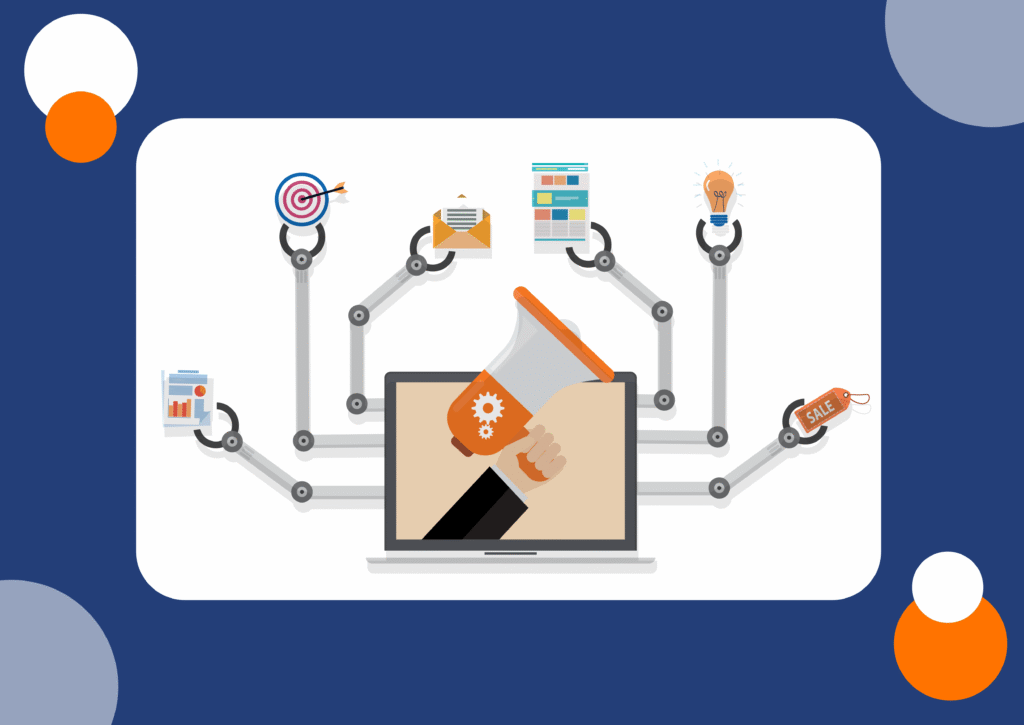
Not all marketing leads to immediate conversions.
Some of the most effective strategies work indirectly—by building awareness, educating your audience, and creating trust over time. These are known as indirect marketing channels.
Instead of pushing for instant sales, indirect marketing focuses on long-term growth by influencing how potential customers perceive your brand.
Indirect Marketing Channels: Quick Answer
Indirect marketing channels are strategies that promote a business without directly asking for a sale. They focus on building awareness, trust, and engagement, which eventually leads to conversions over time.
What Are Indirect Marketing Channels?
Indirect marketing channels include any platform or method where the goal is not immediate selling but creating value for the audience.
Examples include:
- content marketing (blogs, guides)
- SEO (search engine visibility)
- social media engagement
- video content and tutorials
- email newsletters
- partnerships and collaborations
These channels help businesses stay visible and relevant without aggressive selling.
Why Indirect Marketing Matters
Modern buyers don’t like being sold to—they prefer to research and decide on their own.
Indirect marketing helps businesses:
- build brand awareness
- establish credibility
- educate potential customers
- nurture long-term relationships
- support the sales process
It creates demand instead of chasing it.
How Indirect Marketing Channels Drive Growth
Indirect marketing works by influencing the customer journey over time.
1. Attracting the Right Audience
Content and SEO bring in users who are actively searching for solutions.
2. Building Trust Through Value
Educational and helpful content positions your brand as a reliable source.
3. Supporting Decision-Making
When users are ready to buy, they are more likely to choose a brand they already trust.
4. Improving Conversion Over Time
Even if users don’t convert immediately, they return when they are ready.
Key Indirect Marketing Channels to Focus On
1. Content Marketing: Blogs, guides, and articles help answer user questions and drive organic traffic.
2. SEO (Search Engine Optimization): Optimizing content for search helps your business get discovered by the right audience.
3. Video Content: Videos make it easier to explain products and engage users visually.
4. Social Media: Platforms like LinkedIn and Twitter help build awareness and connect with your audience.
5. Email Marketing: Regular newsletters keep your audience engaged and informed.
6. Product Demos and Educational Content: Product demos and walkthroughs act as indirect marketing by helping users understand your product without a hard sell.
Tools like DemoKraft AI allow teams to create demo content that can be shared across multiple channels, supporting both marketing and sales.
How to Use Indirect Marketing Channels Effectively
To use indirect marketing channels effectively, businesses need a structured and consistent approach. The focus should always be on providing value first by creating content that solves real problems instead of directly promoting products. It’s also important to align content with the customer journey, ensuring that different types of content address awareness, consideration, and decision stages.
Since indirect marketing delivers results over time, maintaining consistency in content creation and distribution is essential. Businesses should also leverage multiple channels together—such as SEO, content, video, and email—to maximize impact and reach. Finally, tracking performance through metrics like traffic, engagement, and conversions helps identify what’s working and where improvements are needed.
Common Mistakes to Avoid
- expecting immediate results
- focusing too much on promotion instead of value
- inconsistent content creation
- ignoring data and performance metrics
- not aligning content with user intent
Avoiding these mistakes helps maximize long-term impact.
The Role of AI in Indirect Marketing
AI is making indirect marketing more scalable and efficient.
AI tools help:
- generate content faster
- create videos and demos
- personalize user experiences
- analyze performance data
This allows businesses to scale their marketing efforts without increasing workload.
Conclusion
Indirect marketing channels are essential for sustainable business growth. Instead of pushing for immediate conversions, they focus on building trust, educating users, and creating long-term relationships.
By using the right mix of content, SEO, video, and demo-driven strategies, businesses can attract the right audience and convert them over time.
The key is simple: provide value first, and results will follow.
Quick Answers: Indirect Marketing Channels Guide
How long does indirect marketing take to show results?
It usually takes time, as it focuses on long-term growth rather than immediate conversions.
Which indirect marketing channel is most effective?
Content marketing and SEO are among the most effective, as they bring in high-intent users.
How do indirect marketing channels generate leads?
They attract and educate users, who eventually convert when they are ready to make a decision.
What are indirect marketing channels?
Indirect marketing channels are strategies that promote a business without directly selling, focusing instead on awareness and trust.